
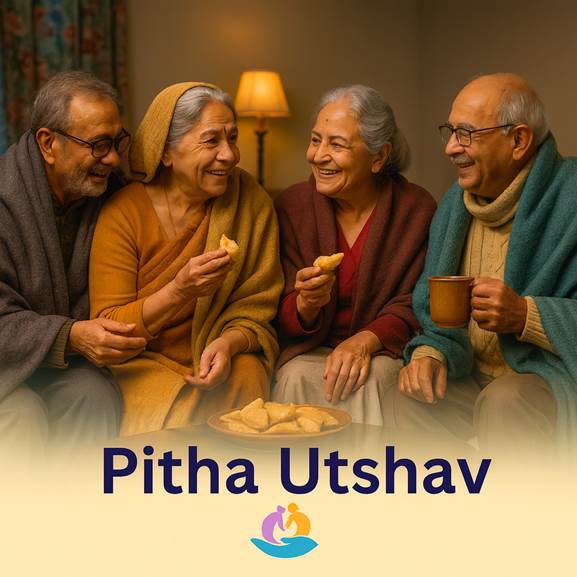
Culture is the living soul of a nation, a flowing river of memory that never stops moving. In Bangladesh, culture is woven into every season, every festival, every folk song, every family tradition, and every community celebration. For our elders, culture is not simply history—it is their youth, their strength, their laughter, and the legacy they spent a lifetime building. At Rahima & Bulu Elderly Care Foundation, we believe that the cultural identity of each elder is a sacred inheritance that must be honored, revived, and celebrated daily.
Bangladesh’s cultural heritage goes far beyond the boundaries of textbooks. It lives in the sound of the ektara carried by wandering Bauls, in the warm smell of pitha on winter evenings, in the rhythm of Dhak drums during Durga Puja, and in the handwritten letters elders once exchanged with their loved ones before digital communication took over. Culture is memory. And for senior citizens, memory is emotional power. When elders reconnect with cultural expressions they grew up with, something profound happens—their eyes glow, their faces soften, their voices strengthen, and their hearts become lighter.
CULTURE AS EMOTIONAL MEDICINE
Around the world, researchers have found that cultural participation is one of the most effective non‑medical therapies for elderly well‑being. Music awakens memory. Crafts improve motor skills. Festivals reduce loneliness. Storytelling strengthens identity. Rituals bring emotional stability. Elders who engage regularly in cultural activities demonstrate higher levels of happiness, mental alertness, and emotional security.
At Rahima & Bulu Elderly Care Foundation, culture is woven into the daily routine—not as entertainment, but as emotional medicine. Our elders participate in folk music evenings, poetry recitations, traditional dress-up days, Pitha Utshav, seasonal festivals, heritage storytelling circles, and craft sessions inspired by Bangladesh’s rural traditions. These experiences strengthen their sense of belonging and remind them that aging does not mean fading away; it means shining in new ways.
FOLK MUSIC: THE SOUNDTRACK OF A GENERATION
Nothing touches the heart of a Bangladeshi elder like music. Whether it is Lalon’s mystic philosophy, Bhawaiya’s longing, Bhatiali’s river melodies, Rabindra Sangeet’s elegance, or Nazrul Geeti’s fiery devotion—every tune carries memories of their youth. Music triggers long-term memory even in elders who struggle with cognitive decline. A single familiar line of a song can transport them back fifty years—to festivals, riverbanks, weddings, harvest seasons, and quiet evenings under lantern light.
During our folk music sessions, elders often spontaneously hum along or recall forgotten lyrics. Some even share how they once sang with friends or played instruments in village gatherings. This musical connection rebuilds confidence and reduces emotional stress.
NARRATIVES, STORYTELLING, AND LIBERATION HISTORY
Every elder is a walking archive. Their stories carry the emotion, struggle, courage, and poetry of a time that shaped Bangladesh. At Rahima & Bulu Elderly Care, storytelling sessions allow seniors to share memories from:
– Village childhood traditions
– Rice harvest festivals
– 1960s rural school life
– The Language Movement era
– Liberation War experiences
– Migration stories
– Ancestral customs
– Marriage rituals and family values
These stories serve two purposes: they give elders pride in their lived experiences, and they transmit cultural values to younger generations who volunteer or train at the foundation.
SEASONAL FESTIVALS: CELEBRATING THE RHYTHM OF LIFE
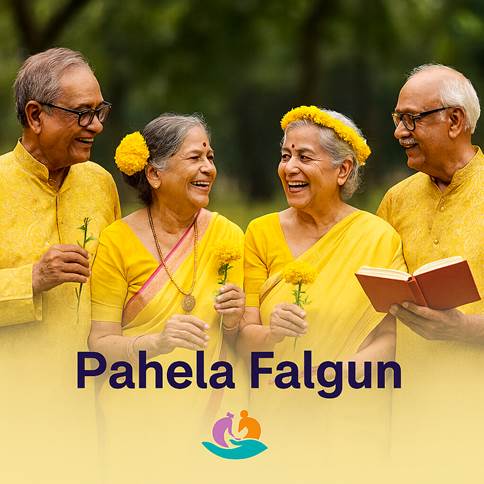
Bangladesh has six seasons, each with its own cultural expression. Elders often remember these seasons through food, songs, gatherings, and nature. At our foundation, we bring those memories alive:
* Pahela Falgun — yellow flowers, poetry, music
* Pahela Baishakh — traditional clothing, folk games, panta-ilish
* Nabanno — harvest celebrations, pitha, rural songs
* Monsoon season — Megher Gaan, indoor craft sessions
* Autumn Durga Puja nostalgia — Dhak beats, lights, stories
* Winter — Pitha Utshav, warm blankets, storytelling
Each celebration is designed to make elders feel included, respected, and emotionally nourished.
TRADITIONAL CRAFTS: MEMORY THROUGH HANDWORK
Crafting is deeply therapeutic. Elders who once stitched Nakshi Kantha, wove baskets, shaped clay toys, or embroidered sarees often rediscover the joy of creating. Even a small craft session can awaken forgotten skills and provide a sense of achievement.
At Rahima & Bulu Elderly Care Foundation, craft sessions include:
– Nakshi Kantha stitching
– Clay modeling
– Bamboo and jute ornament making
– Rug weaving
– Simple painting and folk art
These activities improve focus, reduce anxiety, and promote social bonding among elders.
THE GLOBAL CONTEXT OF CULTURE-BASED ELDERLY CARE
Countries worldwide infuse culture into elderly care:
– Japan uses tea ceremonies and calligraphy
– China uses opera therapy
– Italy uses folk dance
– India uses classical music and regional festivals
– Korea integrates ancestral rituals and art
Bangladesh has a unique advantage: our culture is incredibly rich, colorful, rhythmic, and emotionally expressive. This richness provides endless opportunities to keep elders engaged.
PRESERVING DIGNITY THROUGH CULTURE
Aging should never mean isolation. Cultural participation gives seniors purpose and dignity. When elders dress in traditional clothing, sing childhood songs, taste familiar foods, or participate in festivals, it sends a message:
“You still belong. You are still valued. Your memories matter.”
Culture also strengthens community bonding. Families who visit during cultural events often learn new stories about their elders—stories that otherwise would have been lost forever.
CULTURE AS A BRIDGE BETWEEN GENERATIONS
One of the most beautiful elements of our foundation is intergenerational exchange. Young volunteers learn folk songs, heritage stories, and rural traditions directly from seniors. Elders feel proud, and youth feel enriched. Cultural knowledge passes like a torch—one generation to the next.
CONCLUSION
Culture is not merely entertainment for elders—it is identity, healing, memory, and dignity. At Rahima & Bulu Elderly Care Foundation, we celebrate culture because it keeps our seniors emotionally alive. By honoring their heritage, we honor their humanity. By carrying forward their stories, we carry forward Bangladesh.
A society that respects its elders respects its own roots. And a rootless society cannot grow. Through music, craft, festivals, storytelling, and heritage preservation, we ensure that every elder feels seen, valued, and deeply connected to their cultural past.
When culture is alive, memory is alive.
When memory is alive, dignity is alive.
And when dignity is alive, the human spirit never grows old.